Español
 Русский
 Instrumentation Applications in Wastewater Treatment
Time:Page View:365
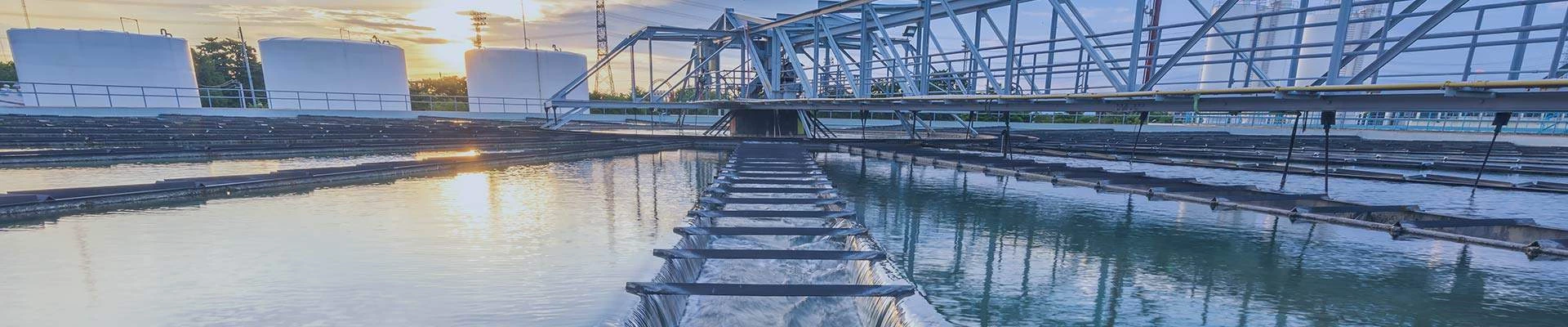
Case: Application of Electromagnetic Flow Meter, Ultrasonic Level Meter & Online pH Meter
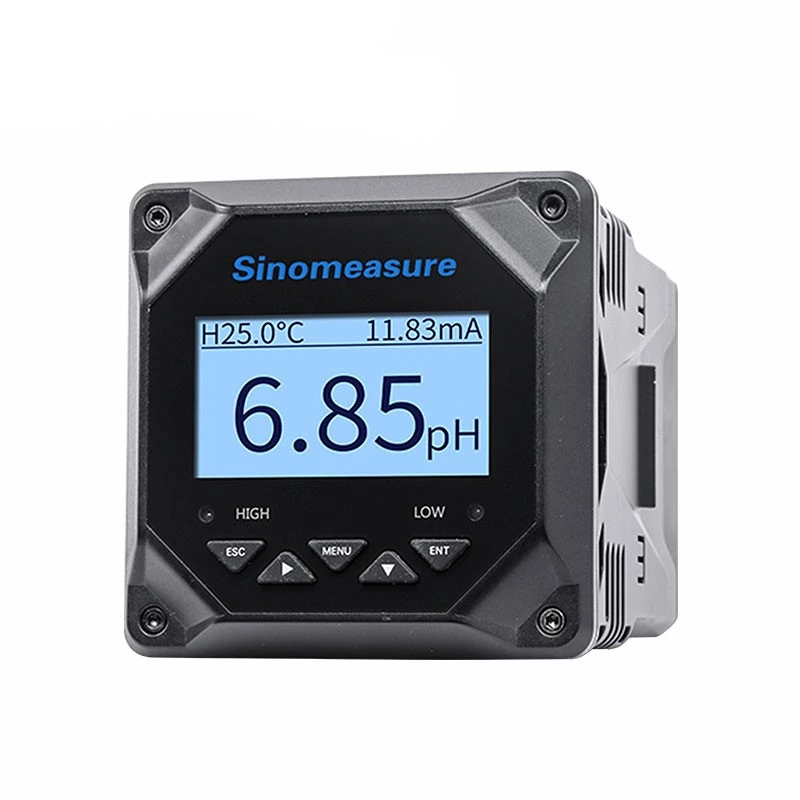
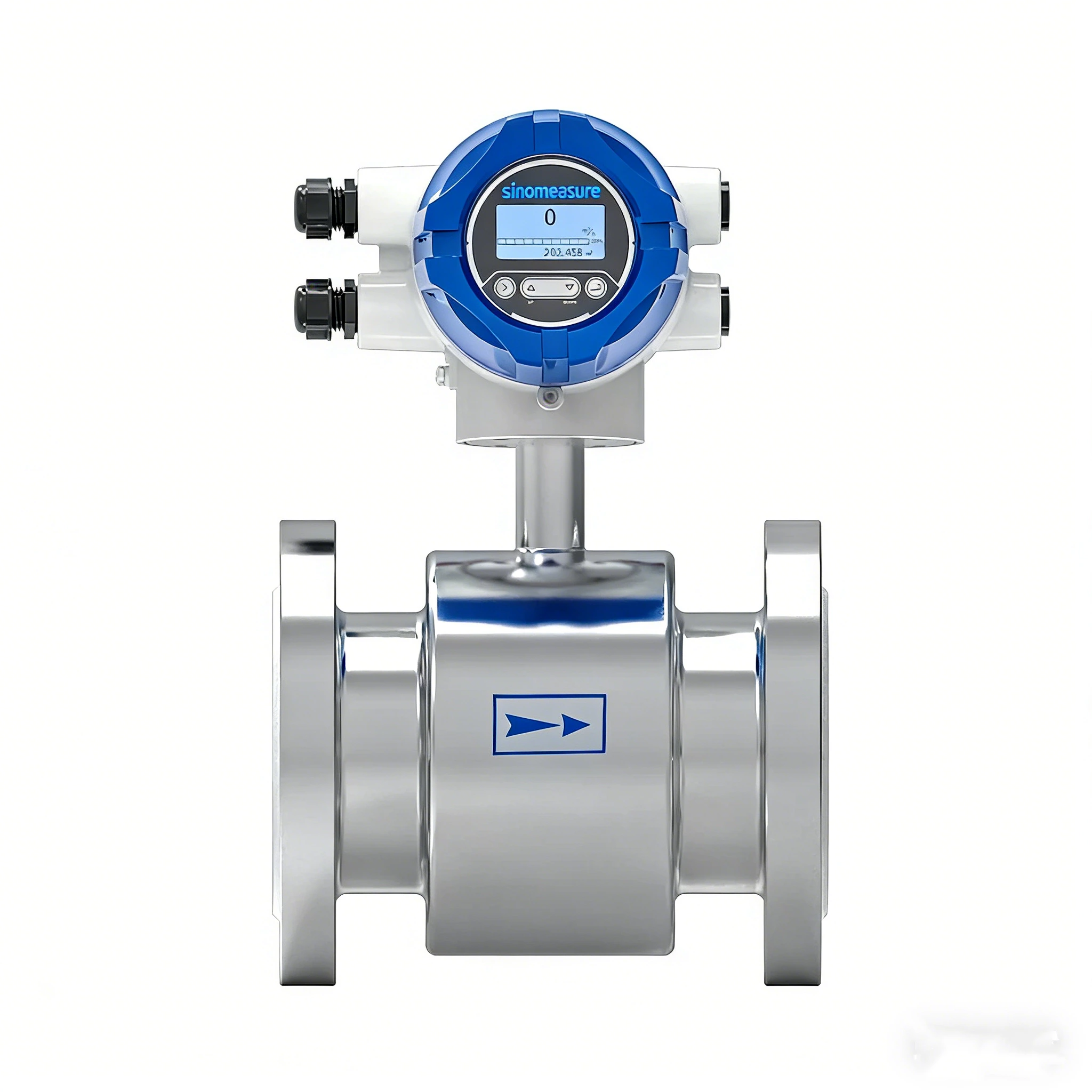
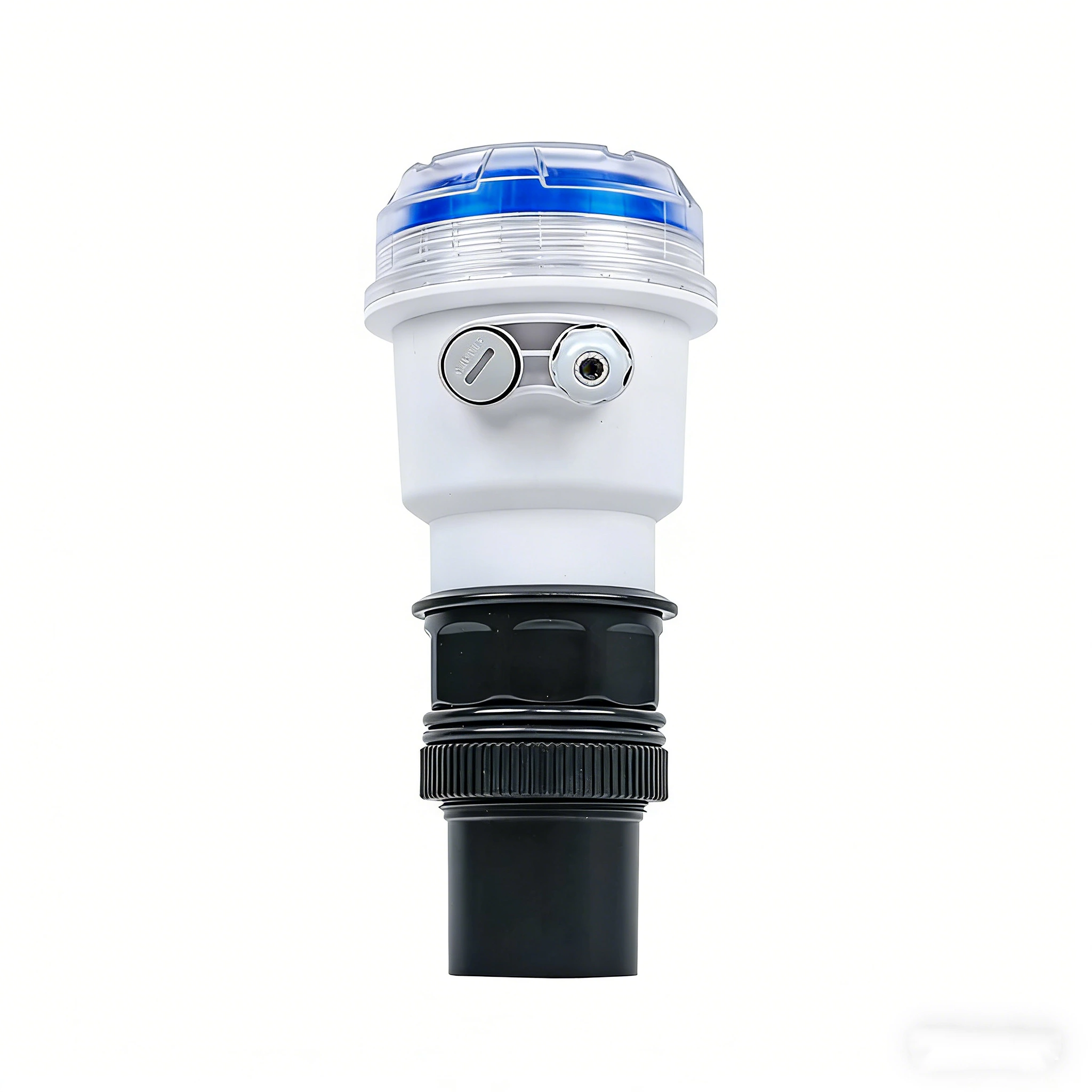
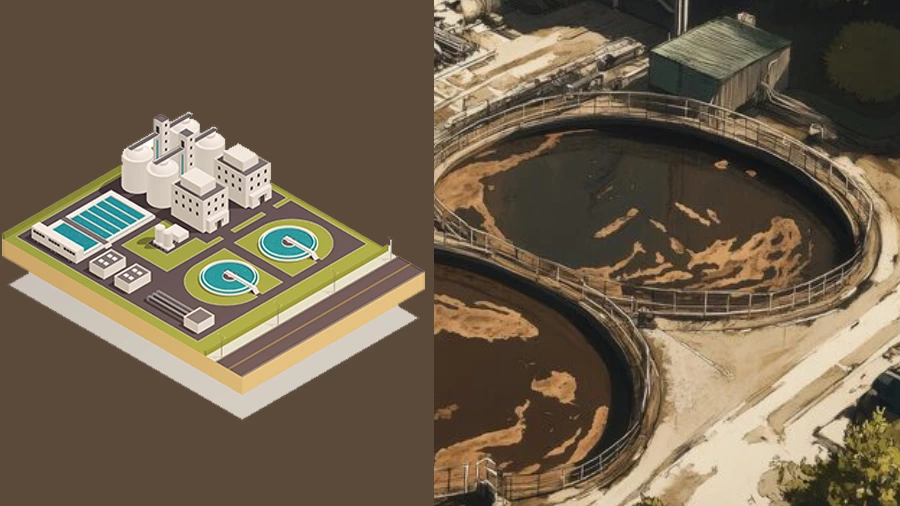
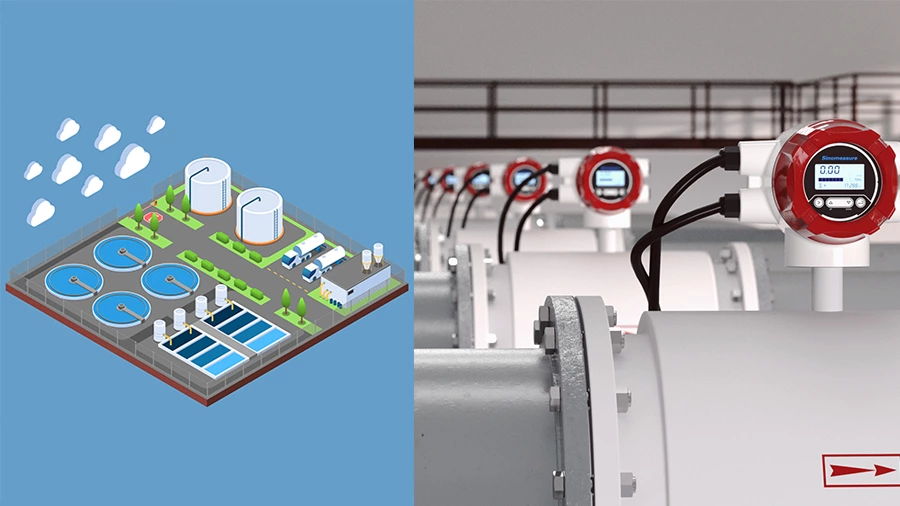
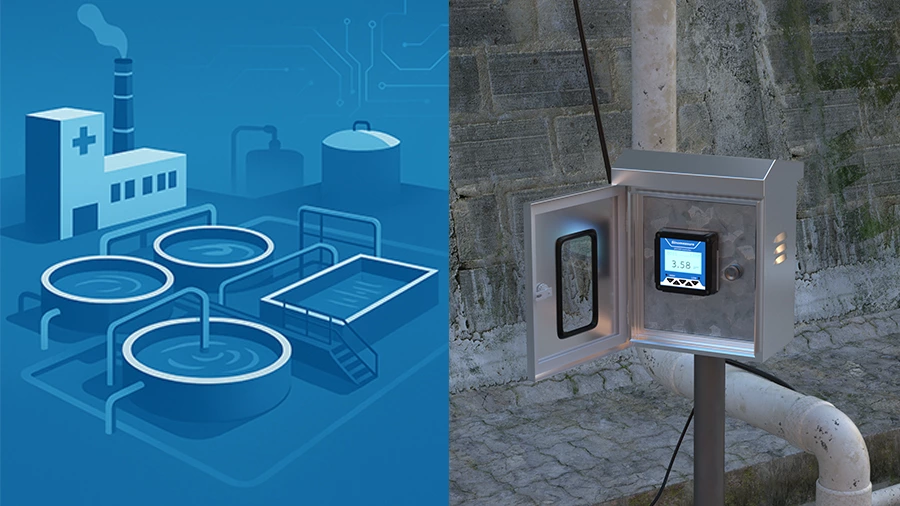
As urbanization advances and domestic wastewater discharge increases, advanced instrumentation and automation become essential for wastewater treatment plants. In this project, Sinomeasure provided a complete set of instrumentation — electromagnetic flow meters, ultrasonic level meters, and online pH meters — to support a full-scale domestic wastewater treatment process covering primary, secondary and tertiary treatment stages.
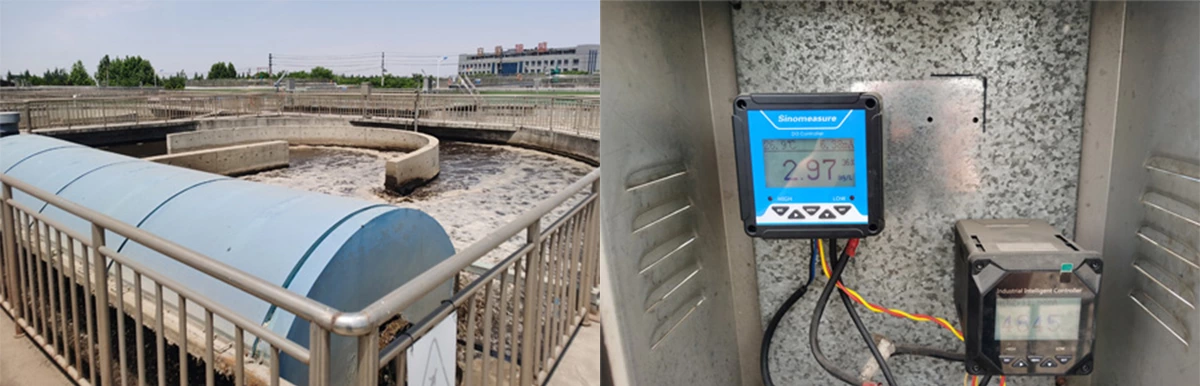
The treatment process described in this case includes three main stages: primary (physical), secondary (biological) and tertiary (advanced) treatment, plus sludge handling. The following is a structured overview based strictly on the original data.
Consists of screening, lift-pump, grit removal, and primary sedimentation. The primary treatment removes approximately 30% of BOD through physical separation.
Utilizes processes such as activated sludge (aeration tanks, oxidation ditches) or biofilm methods to degrade colloidal and dissolved organic pollutants (BOD, COD). Treatment efficiency reaches over 90% of organic load.
Further treatment targets nutrients (e.g. nitrogen, phosphorus), recalcitrant organics, and other pollutants by using coagulation, filtration, adsorption or advanced biological/chemical methods.
Returned sludge maintains biological activity; excess sludge undergoes thickening, digestion and dewatering for final treatment or disposal.
Raw sewage → Coarse screen → Lift pump → Fine screen / Filtration → Grit chamber → Primary sedimentation
Primary effluent → Biological treatment → Secondary sedimentation
Secondary effluent → Disinfection or tertiary treatment → Discharge
Sludge → Thickening → Digestion → Dewatering → Disposal
Note: The above is a general workflow based on the referenced case. Actual plant design may vary depending on scale, influent characteristics and discharge standards.
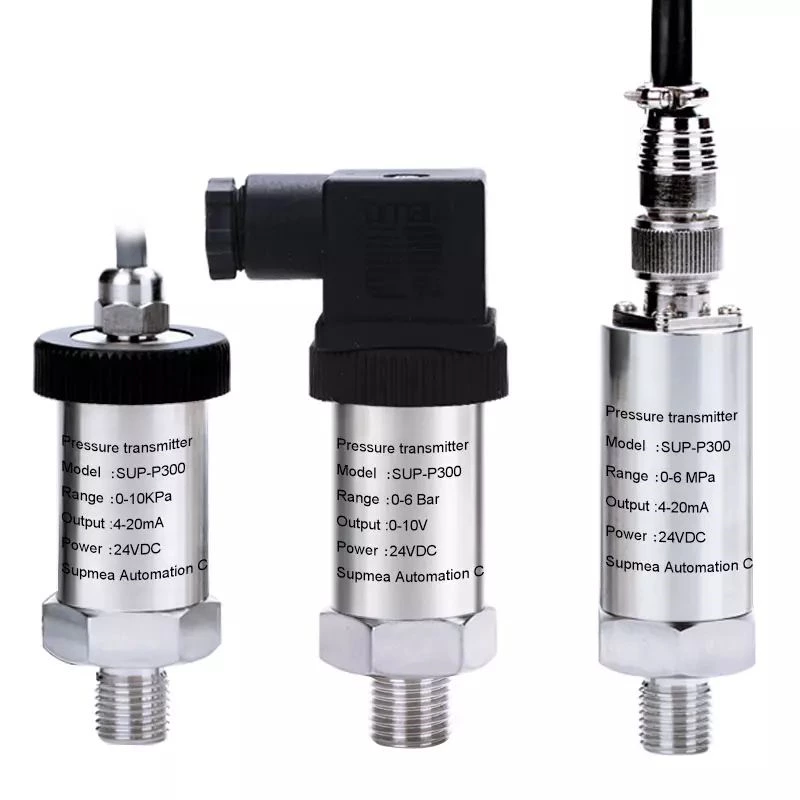
For this wastewater treatment plant, the following instruments were supplied and recommended:
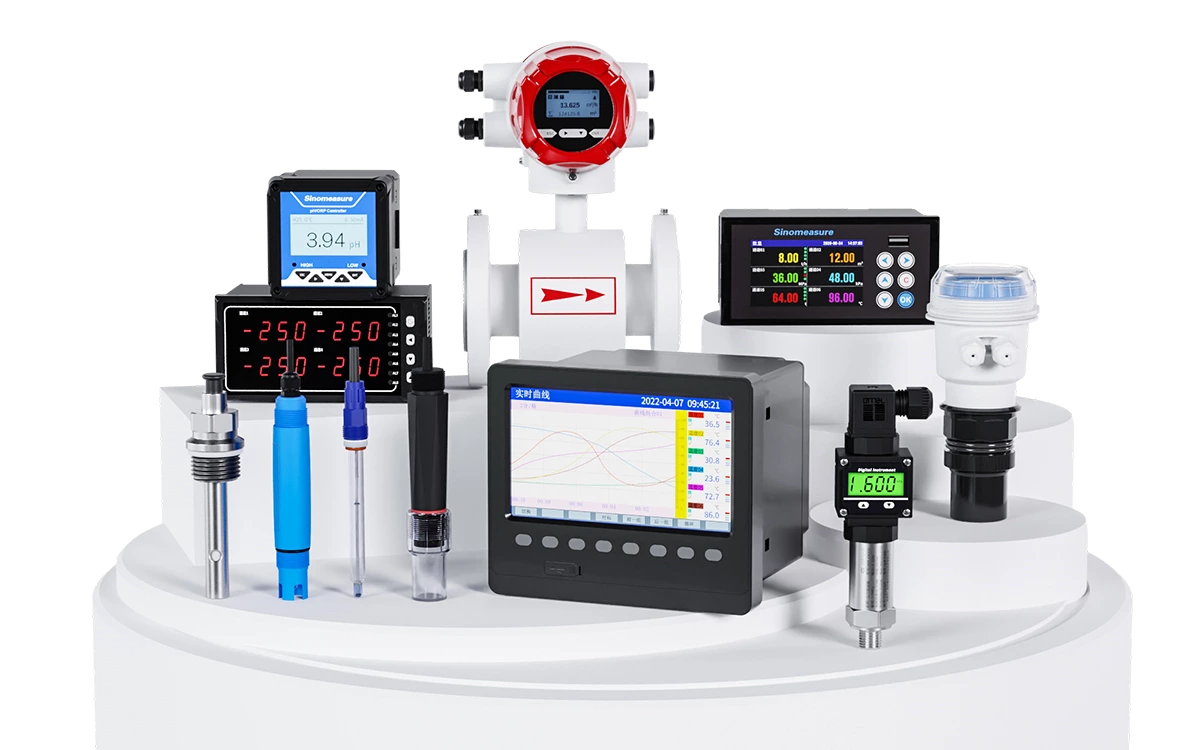
Sinomeasure offers full-service instrumentation selection, system integration and after-sales support for wastewater treatment plants. Contact us to get an engineered solution, quotation or on-site support.
Get in TouchSinomeasure has been dedicated to industrial process automation for decades, focusing on the research, development, and manufacturing of precision sensors and instruments. Our main products include water analysis instruments, recorders, pressure transmitters, flowmeters, and other field instruments used in a wide range of process industries.

We use cookies to collect information about how you use this site. We use this information to make the website work as well as possible and improve our services.