Español
 Русский
 Wastewater Treatment – Oxidation Ditch Application
Time:Page View:535
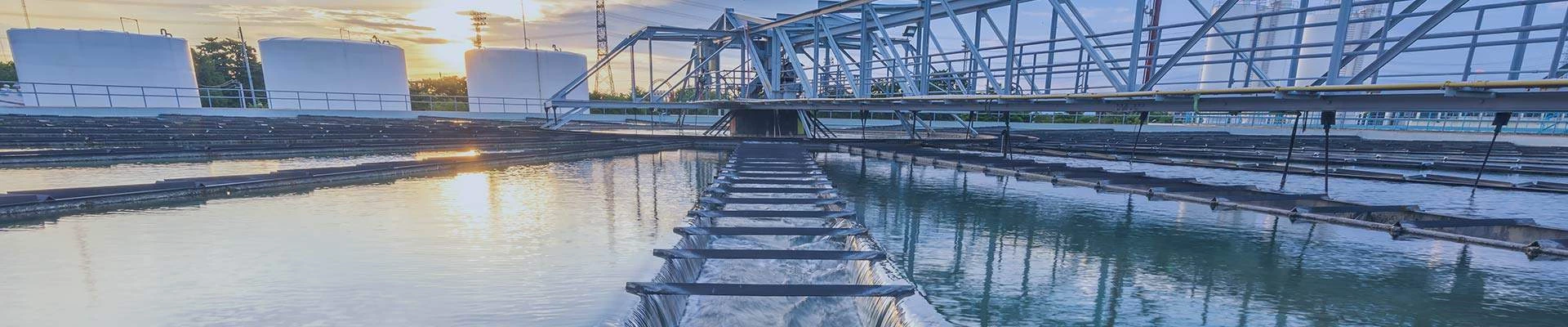
The oxidation ditch — also known as a continuous‑loop reactor — is a mature activated sludge wastewater treatment process. Developed in the 1950s by a Dutch public‑health institute, this process (originally designed by Dr. Pasveer) features a closed‑channel loop system: wastewater circulates through a long ditch (often of elliptical, circular or horseshoe shape), receiving aeration and biological treatment over an extended hydraulic retention time. As a variation of the activated sludge and extended‑aeration processes, the oxidation ditch combines advantages of simplicity, stable sludge settlement, and effective removal of both suspended and dissolved organics.
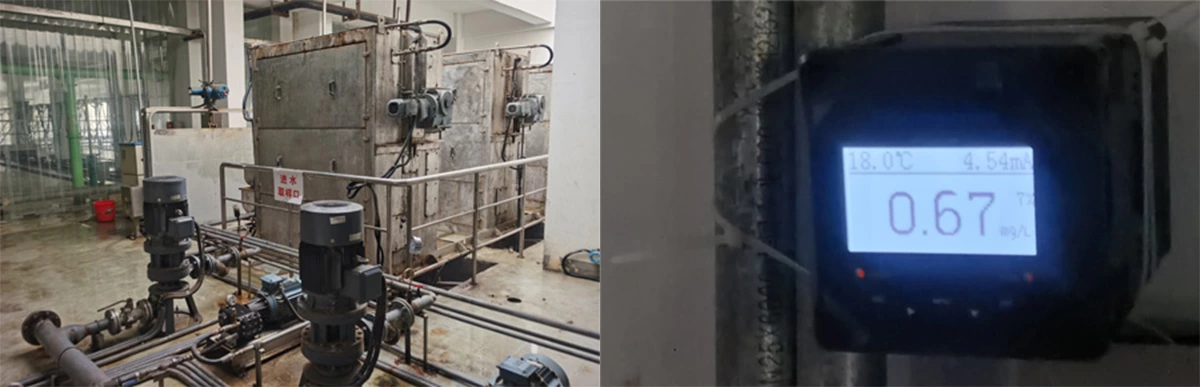
Advantages of the Oxidation Ditch process:
- The long hydraulic retention time and sludge retention in the ditch allow both suspended and soluble organics to be degraded thoroughly.
- The process design is simple with minimal structures, enabling either a single combined clarification or no primary clarifier at all; this simplifies operation and maintenance.
- Due to extended sludge age, discharged sludge tends to be stable, requiring only thickening and dewatering — sludge digestion tanks may be omitted.
Challenges / Limitations:
- Oxidation ditches typically require larger land area compared with conventional activated‑sludge basins, due to the geometry and hydraulic layout.
- Mechanical aeration consumes more energy, leading to higher operational costs.
How Sinomeasure’s Instruments Help:
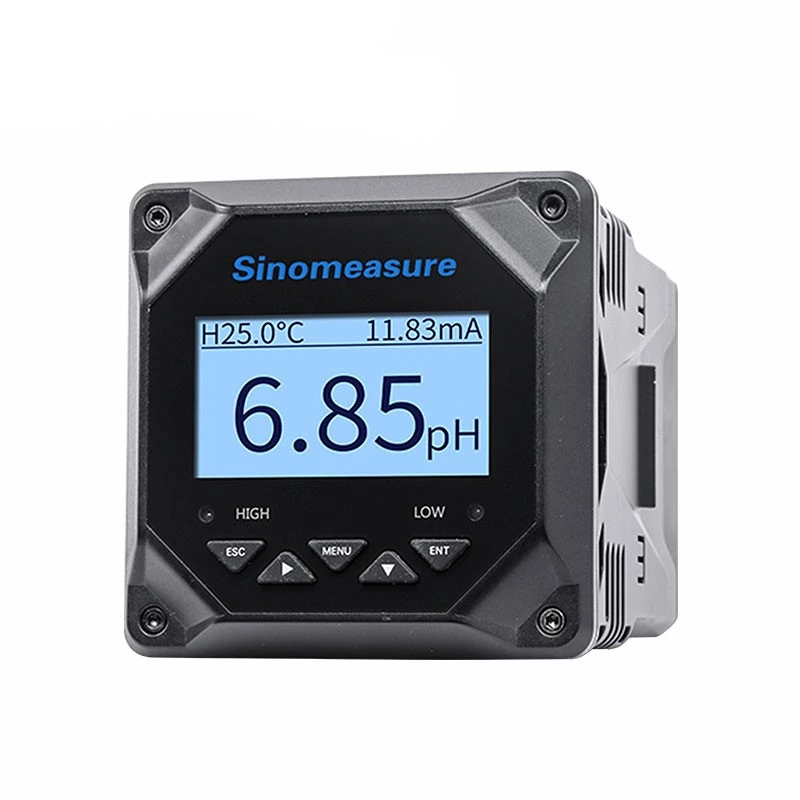
By installing online pH, DO and turbidity instruments, operators gain continuous, real‑time insight into critical biological treatment parameters. This enables:
- Rapid detection of process deviations (e.g. pH swings, oxygen depletion, turbidity fluctuations)
- Timely adjustment of aeration and sludge control to maintain optimal biological activity and effluent stability
- Assurance of effluent quality and compliance with discharge standards
- Reduction of manual sampling workload, and improved automation and process traceability.
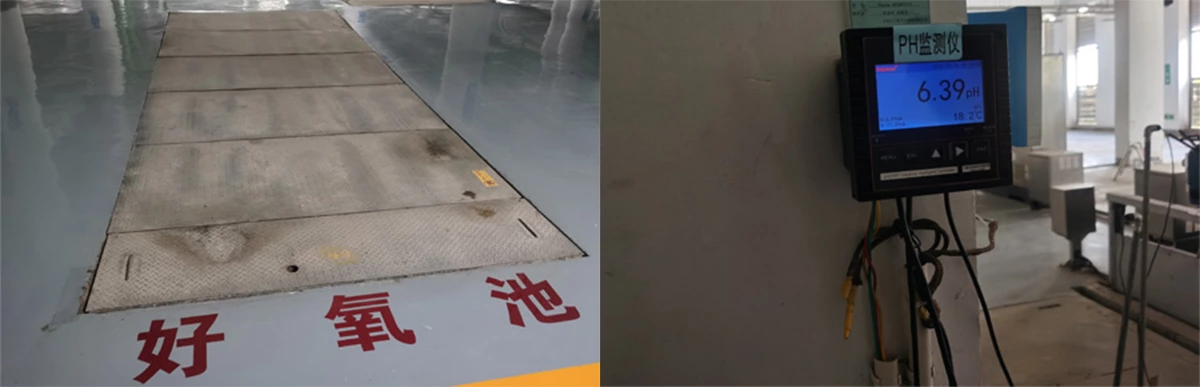
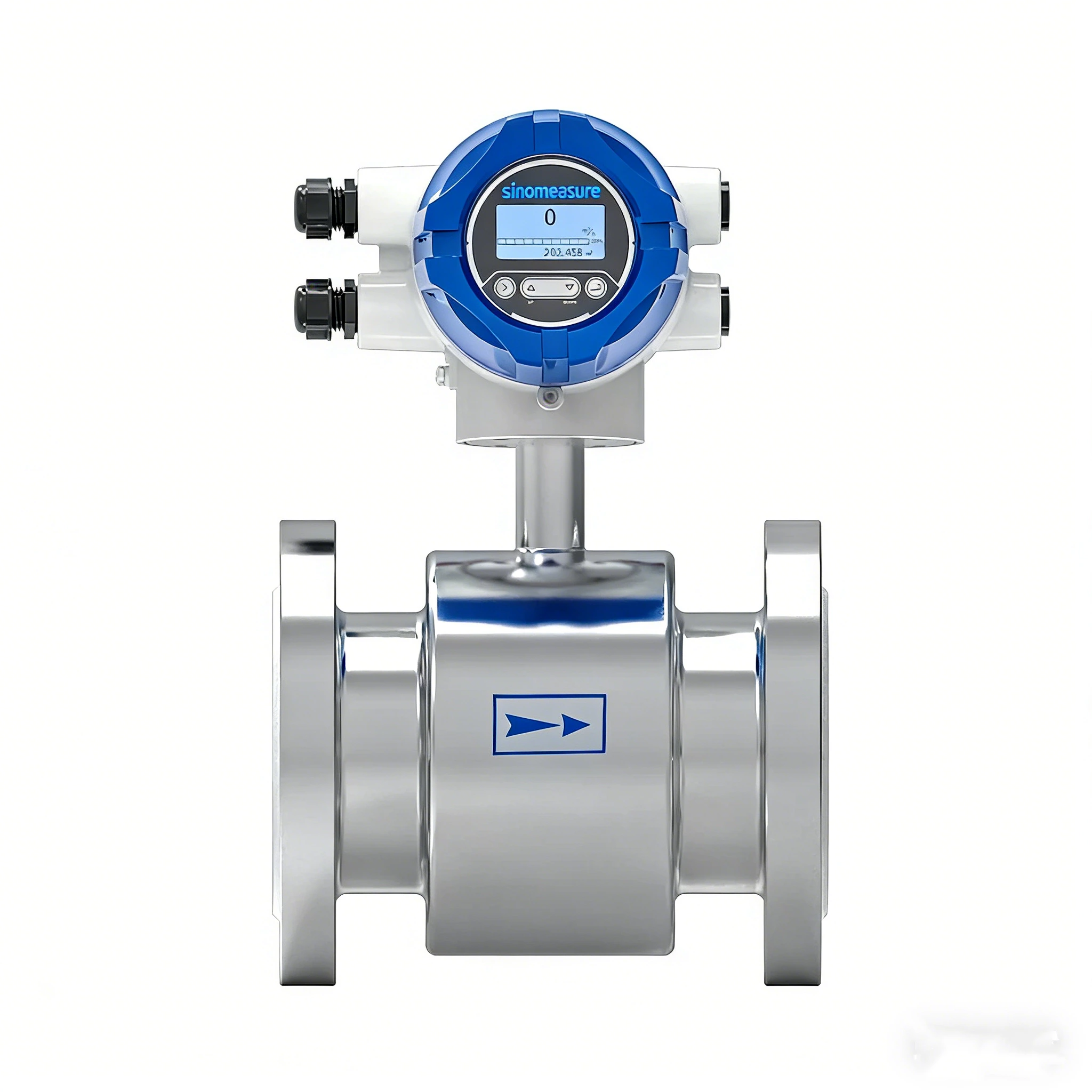
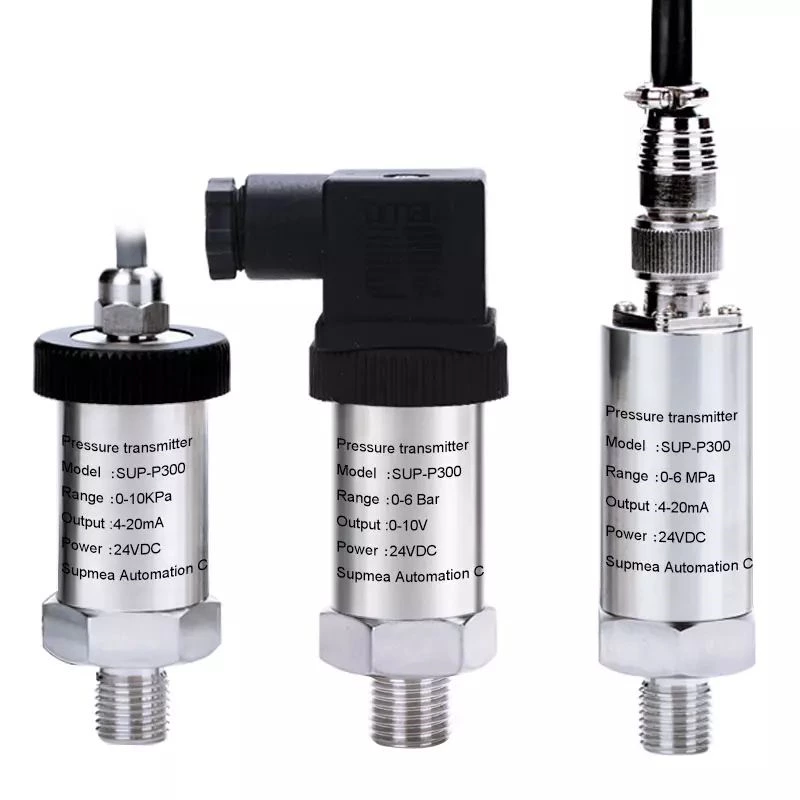
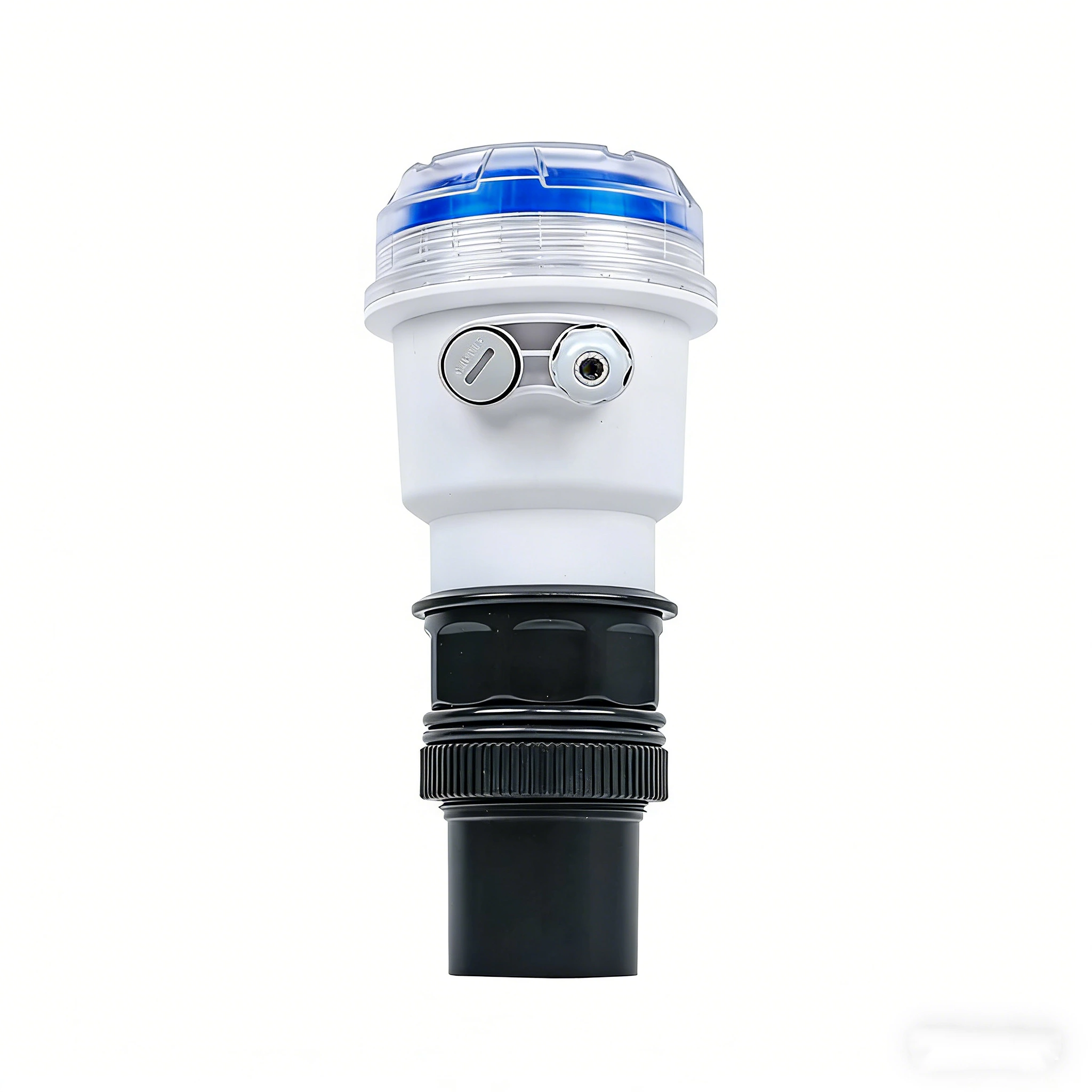
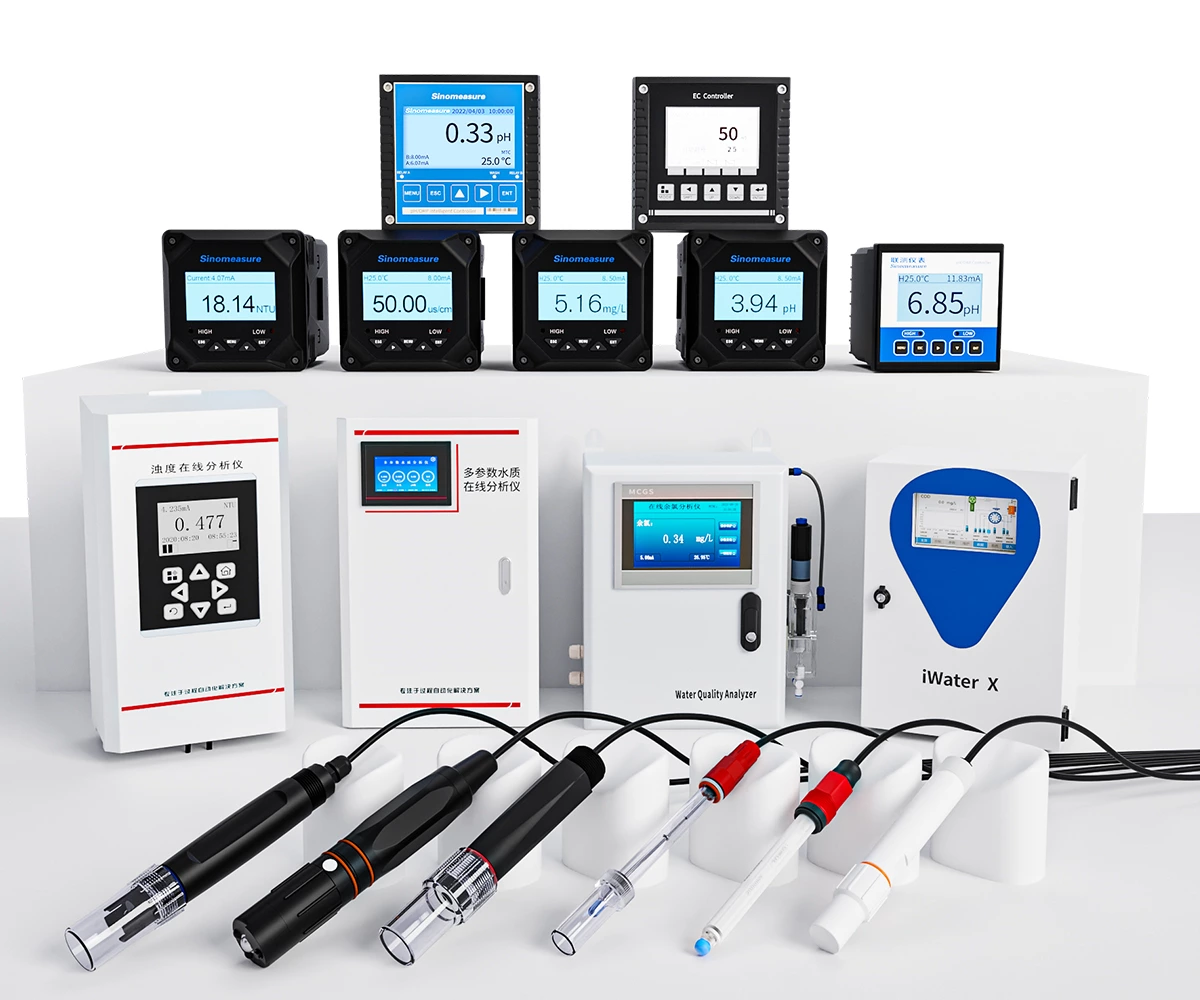
For oxidation‑ditch and similar activated‑sludge systems, we recommend combining the following instruments for comprehensive monitoring and control:
These instruments, when used together, form an integrated monitoring platform that enables stable, efficient, and compliant wastewater treatment.
If your facility uses — or plans to use — oxidation‑ditch or other activated‑sludge wastewater treatment processes and you aim to enhance process control, ensure compliance, and reduce manual workload, we are ready to assist. Contact us now for a free consultation, instrument configuration advice, and a customized instrumentation proposal.
Sinomeasure has been dedicated to industrial process automation for decades, focusing on the research, development, and manufacturing of precision sensors and instruments. Our main products include water analysis instruments, recorders, pressure transmitters, flowmeters, and other field instruments used in a wide range of process industries.

We use cookies to collect information about how you use this site. We use this information to make the website work as well as possible and improve our services.