Español
 Русский
 Pulp & Paper Wastewater Treatment
Time:Page View:350
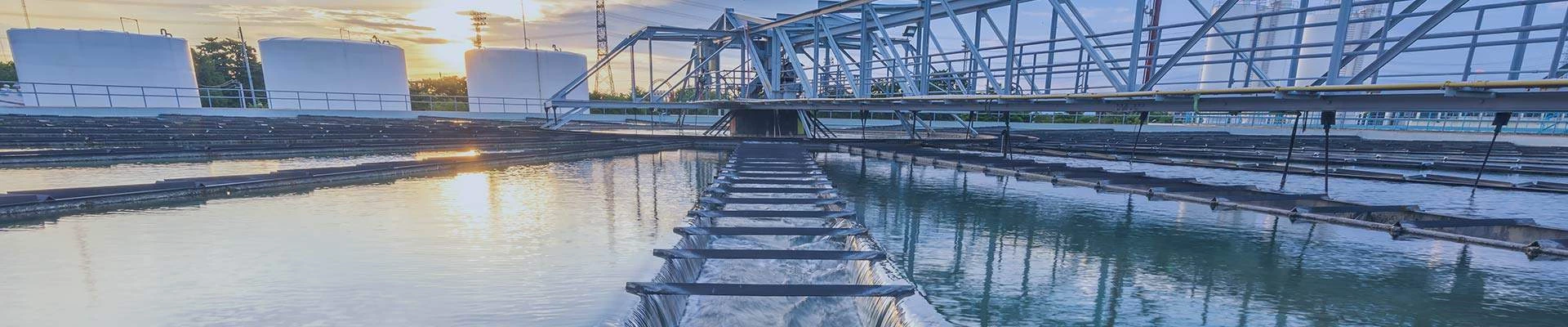
Water treatment solution for high-load effluent in the paper manufacturing process
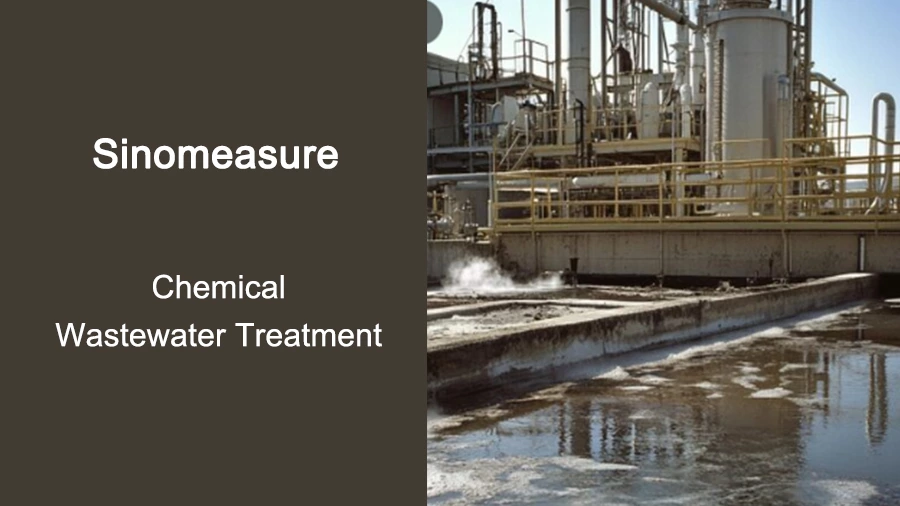
The pulp and paper industry is highly water-intensive, requiring approximately 300–500 m³ of fresh water to produce 1 ton of paper. Paper mill wastewater contains a significant amount of raw materials—about 20% of fibers are lost in the process—as well as chemicals and various impurities. Without proper treatment, this wastewater can cause severe environmental pollution. Understanding its characteristics is essential for selecting the appropriate treatment process.
Wastewater from recycled paper pulping contains high levels of suspended solids (SS) and COD. COD consists of non-dissolved and dissolved components, with non-dissolved COD being the primary portion. Removing SS also removes most of the non-dissolved COD.
The BOD5 level of paper mill wastewater is relatively low, with a BOD5/COD ratio of 0.15–0.25, indicating poor biodegradability. Coagulation removes only part of the BOD5, so biological treatment is essential for effective removal.
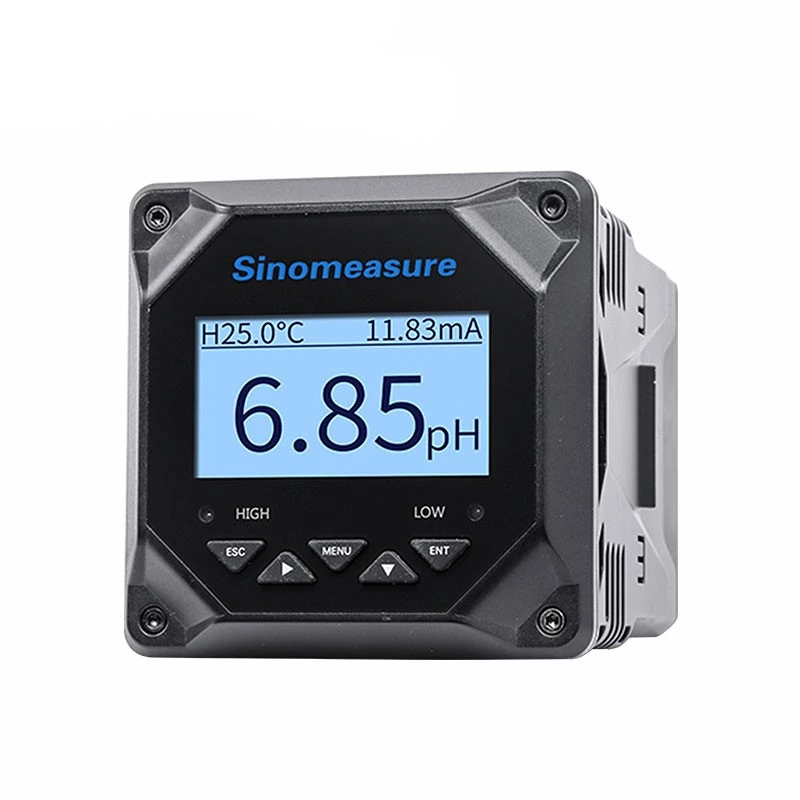
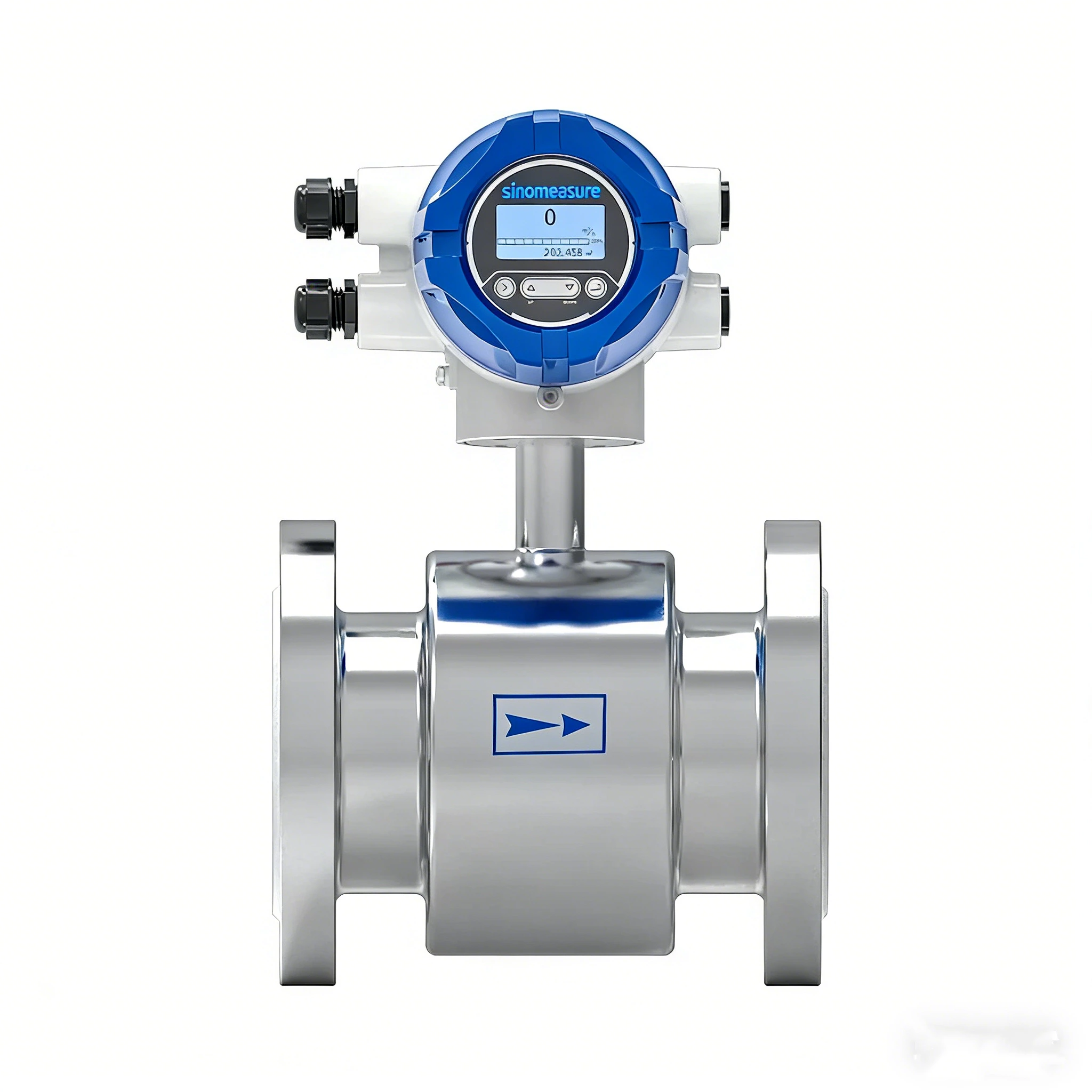
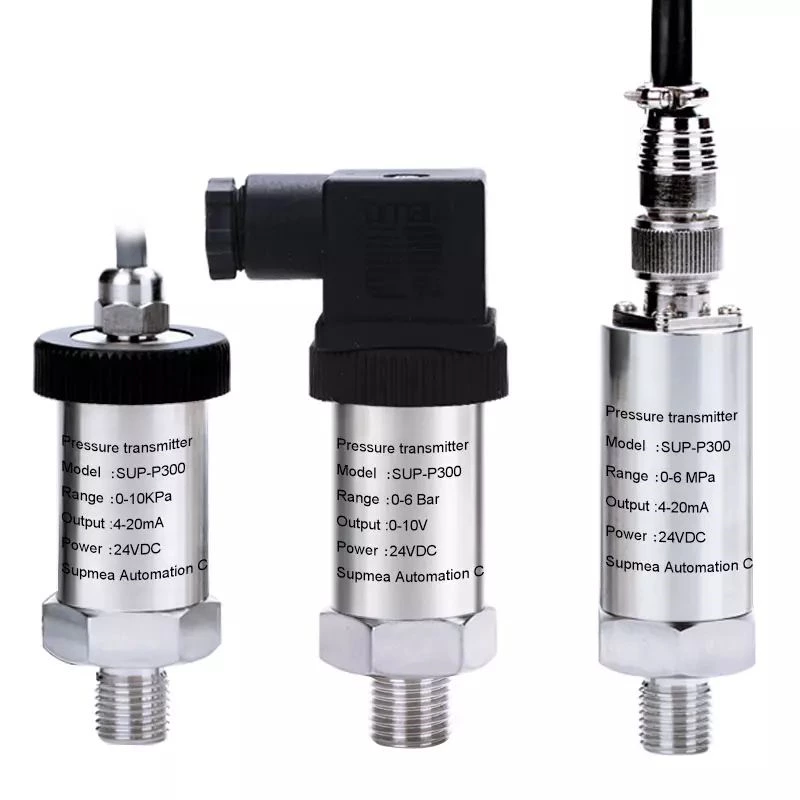
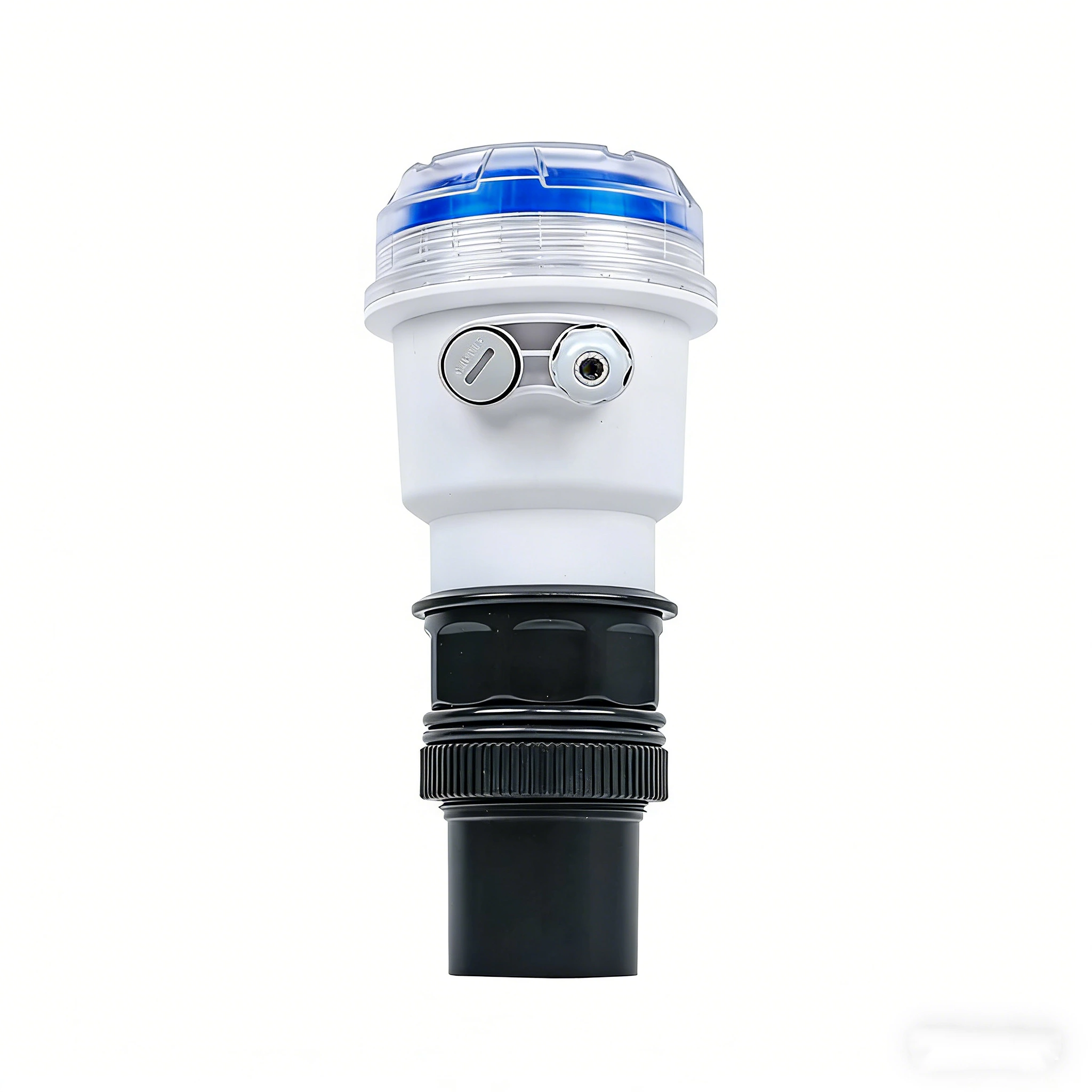
Sinomeasure has been dedicated to industrial process automation for decades, focusing on the research, development, and manufacturing of precision sensors and instruments. Our main products include water analysis instruments, recorders, pressure transmitters, flowmeters, and other field instruments used in a wide range of process industries.

We use cookies to collect information about how you use this site. We use this information to make the website work as well as possible and improve our services.